Cape Alava
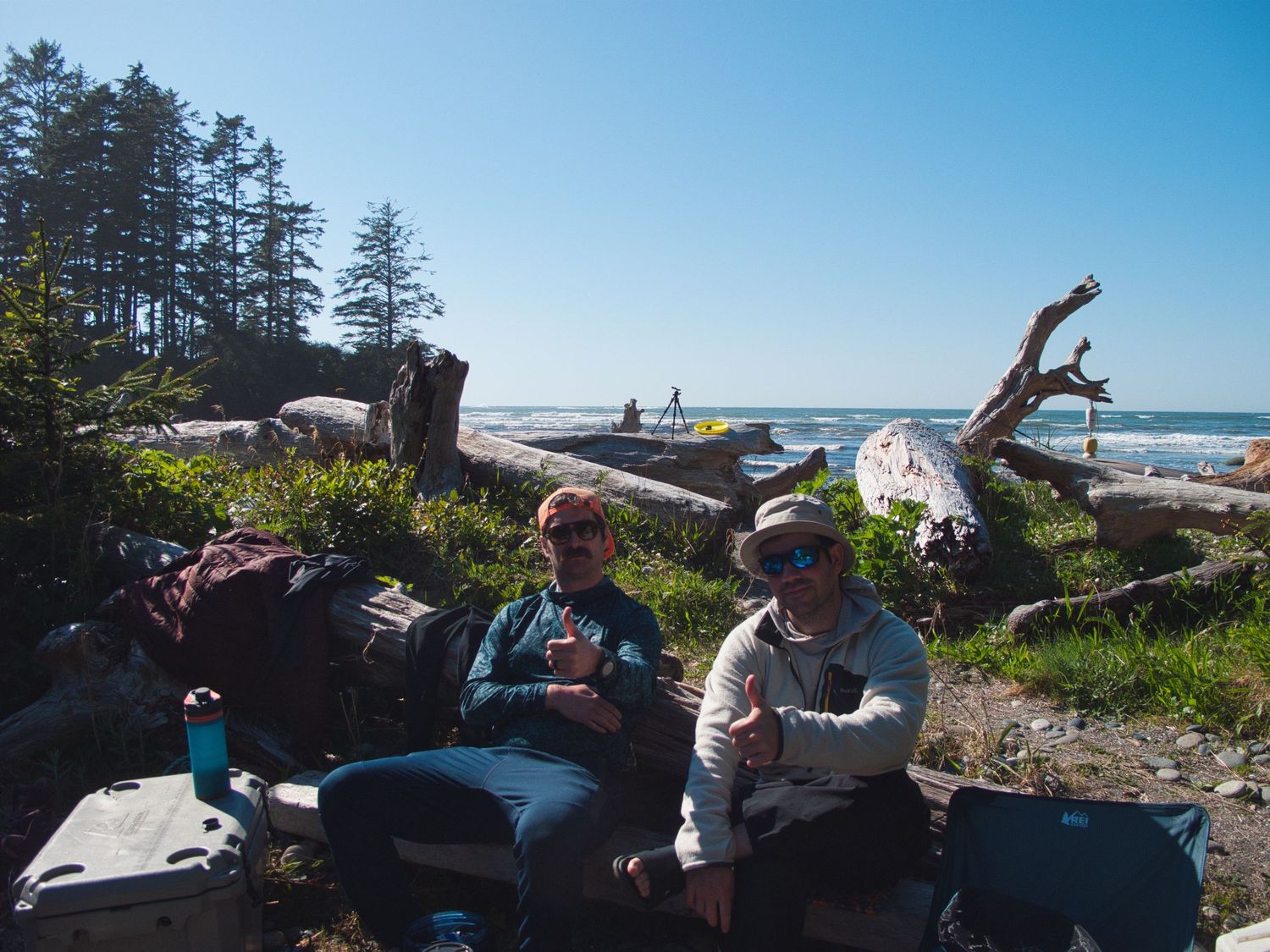
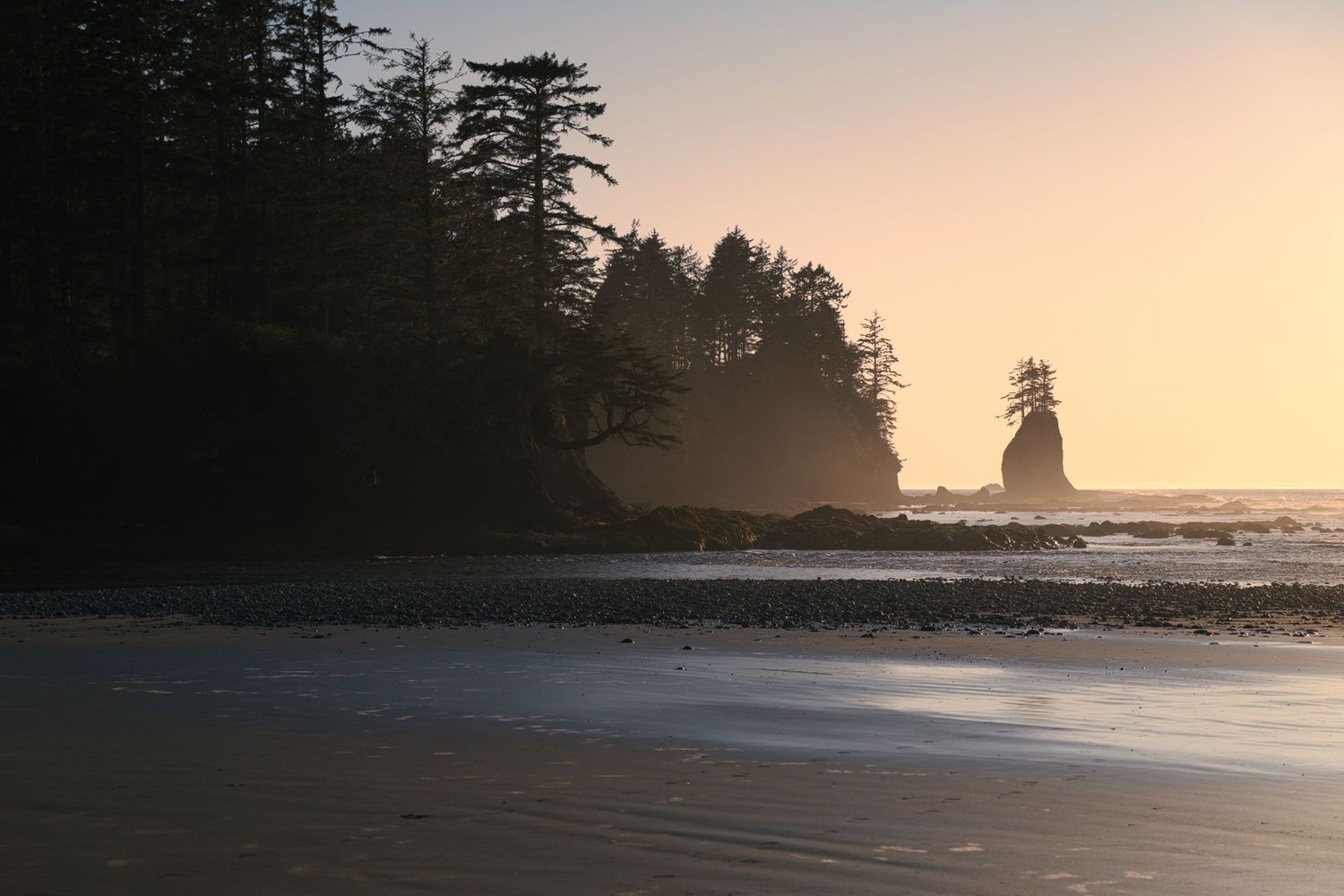
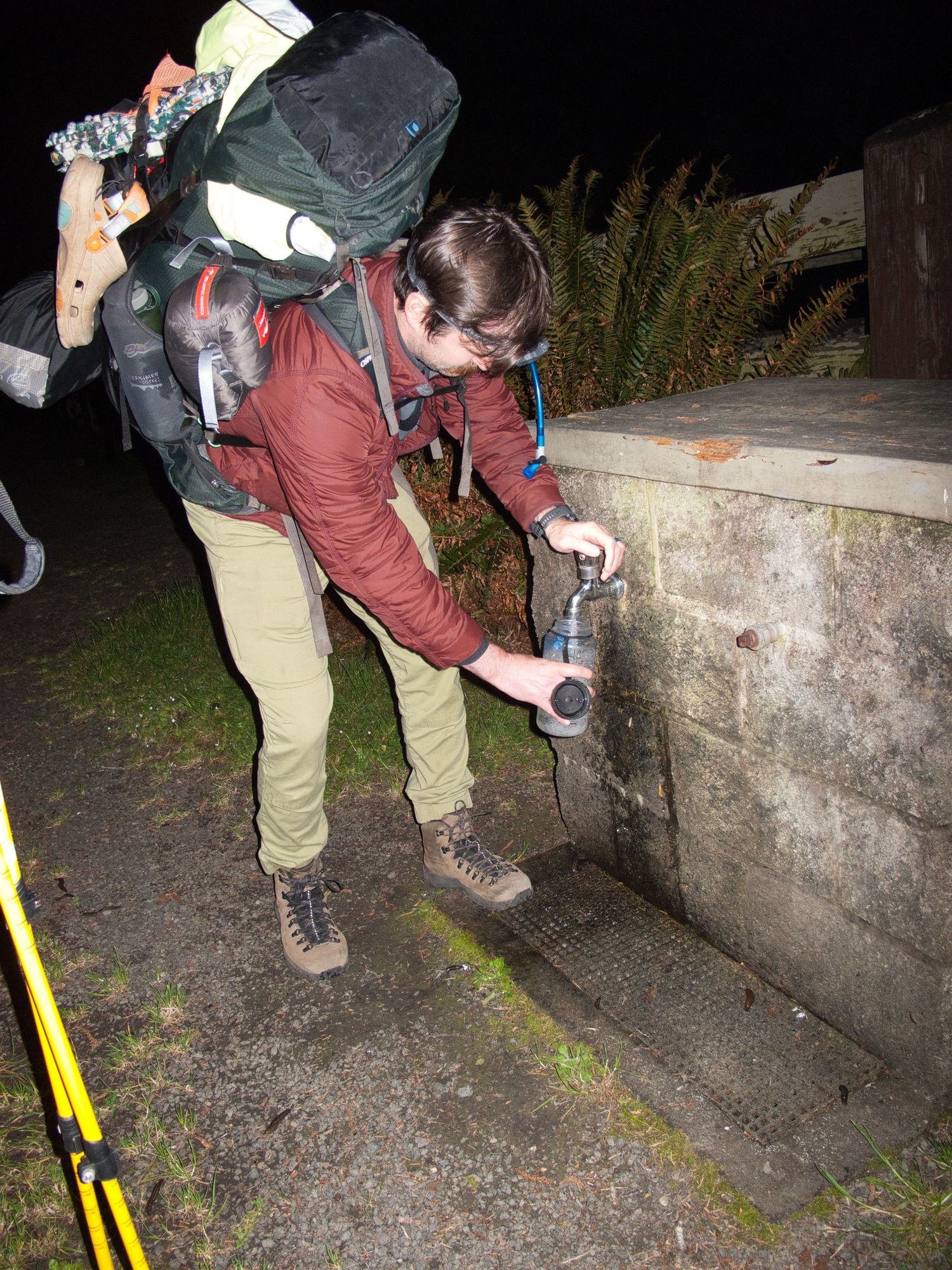
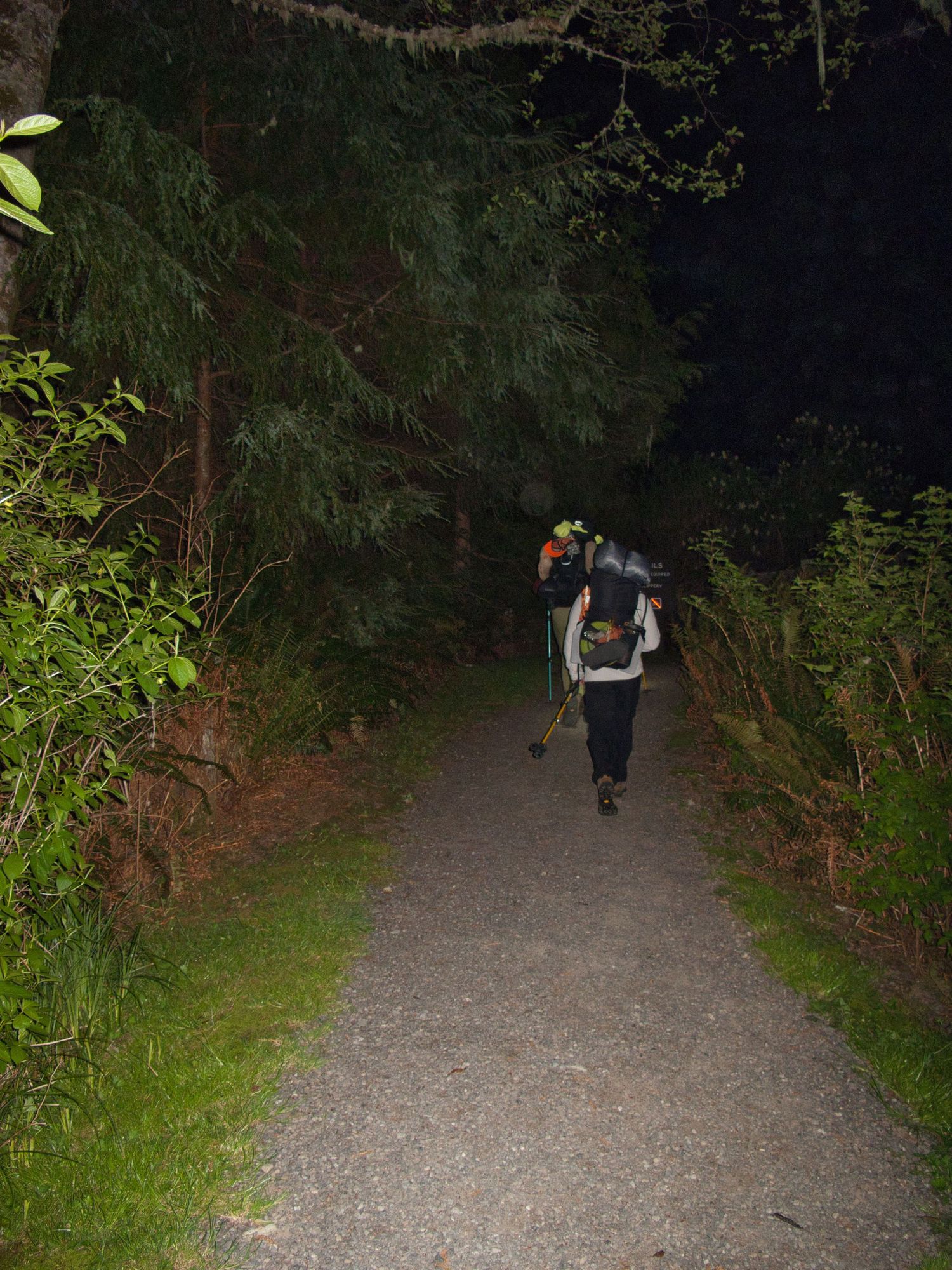
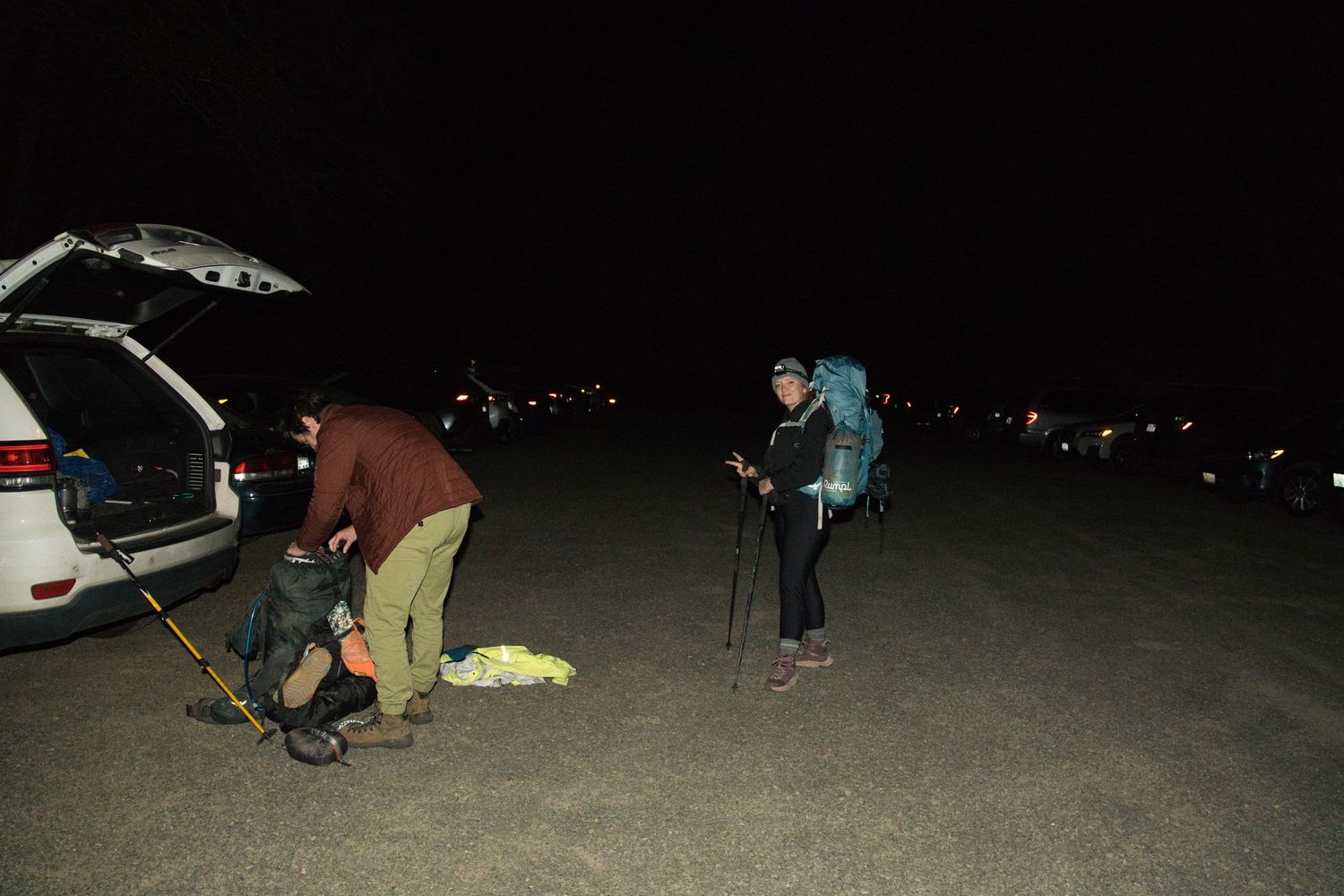
We arrived at the trailhead around 9:30 at night, much later than planned, and started the hike in under the glow of headlamps. The forest was completely still aside from the sound of our boots on the boardwalk and the occasional rustling somewhere beyond the trees. By the time we reached camp, exhaustion had fully set in, but so had that feeling you only get after earning your way into a place. We fell asleep surrounded by the sound of the Pacific and woke up to finally see where we had arrived the night before.
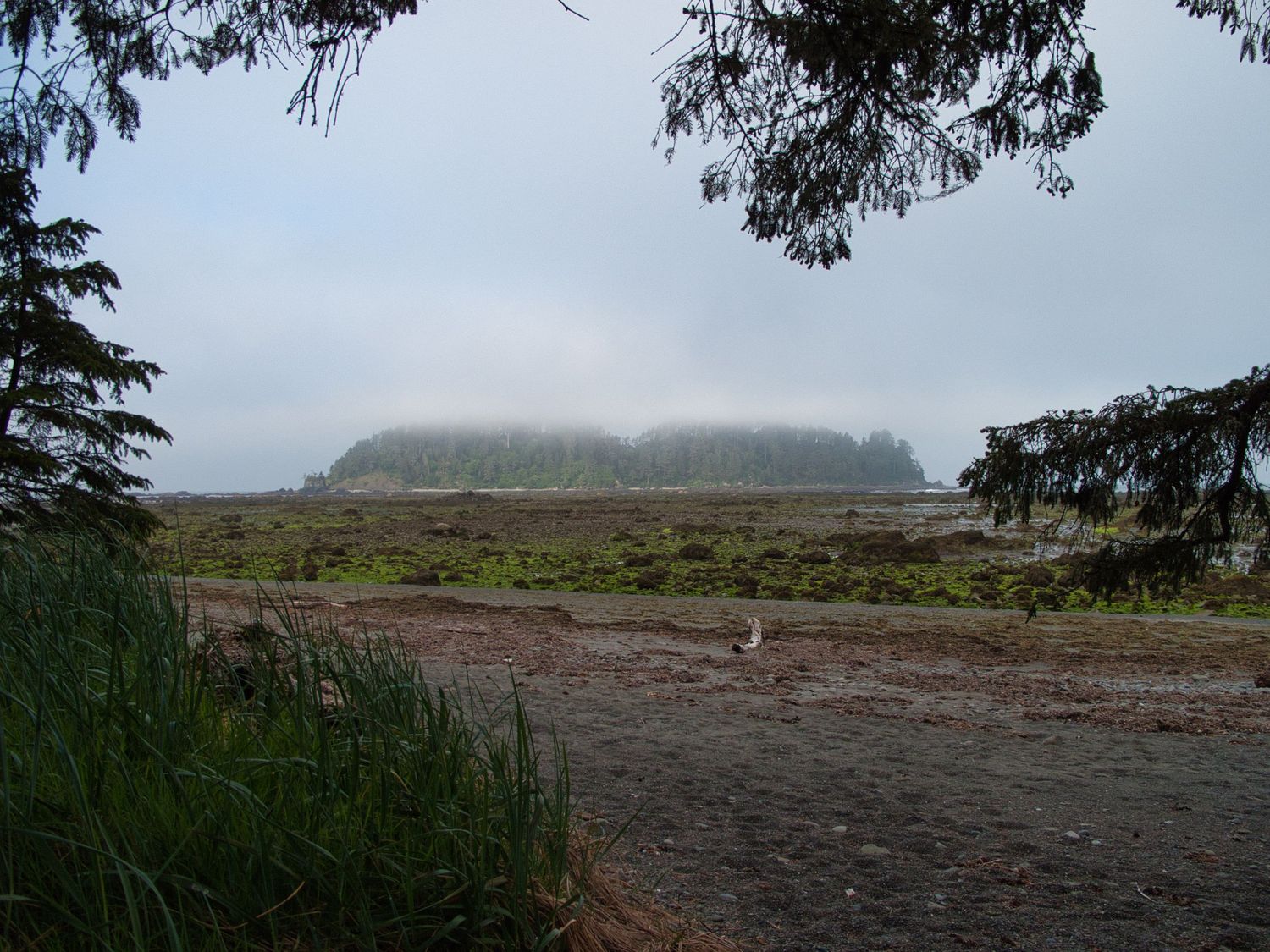
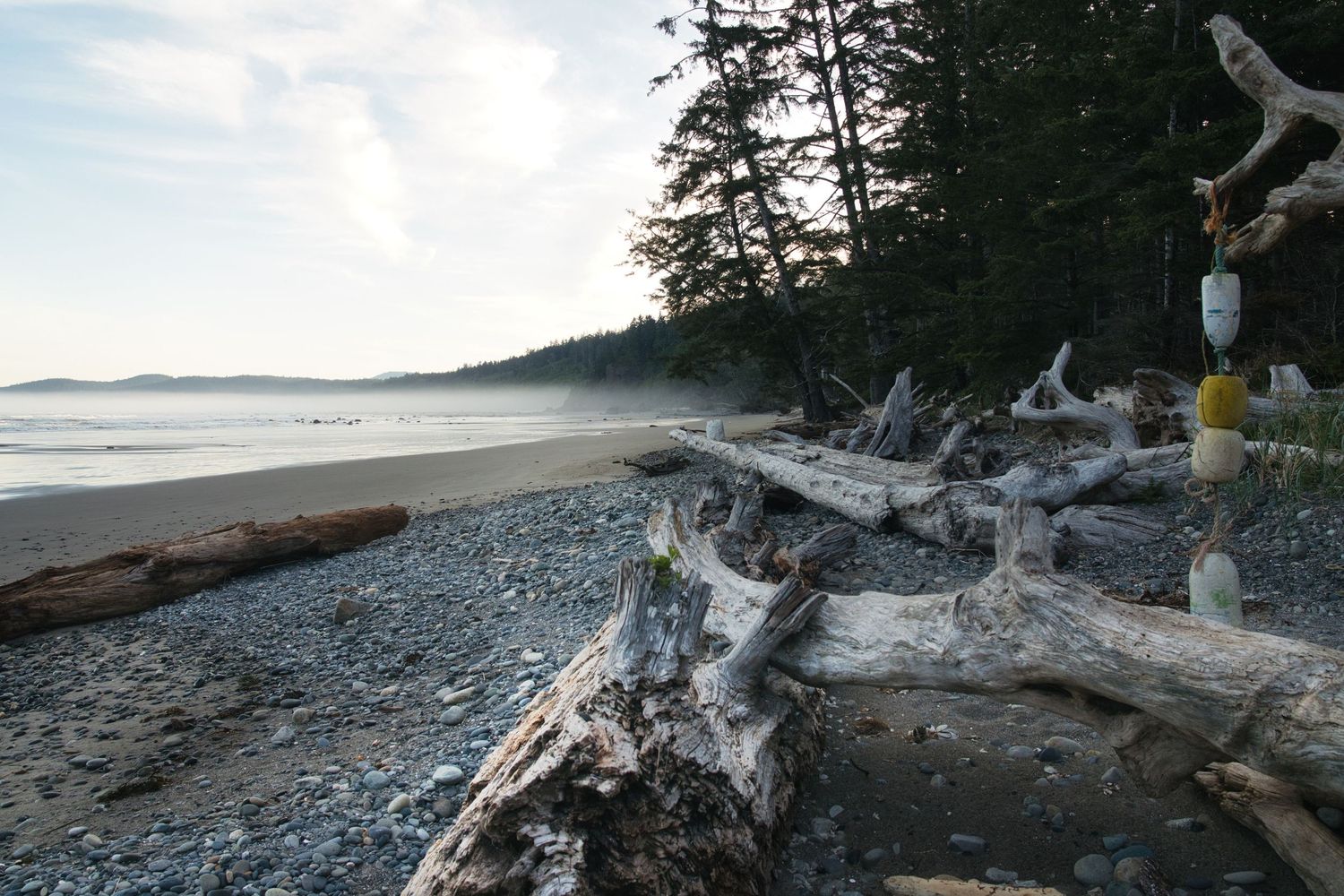
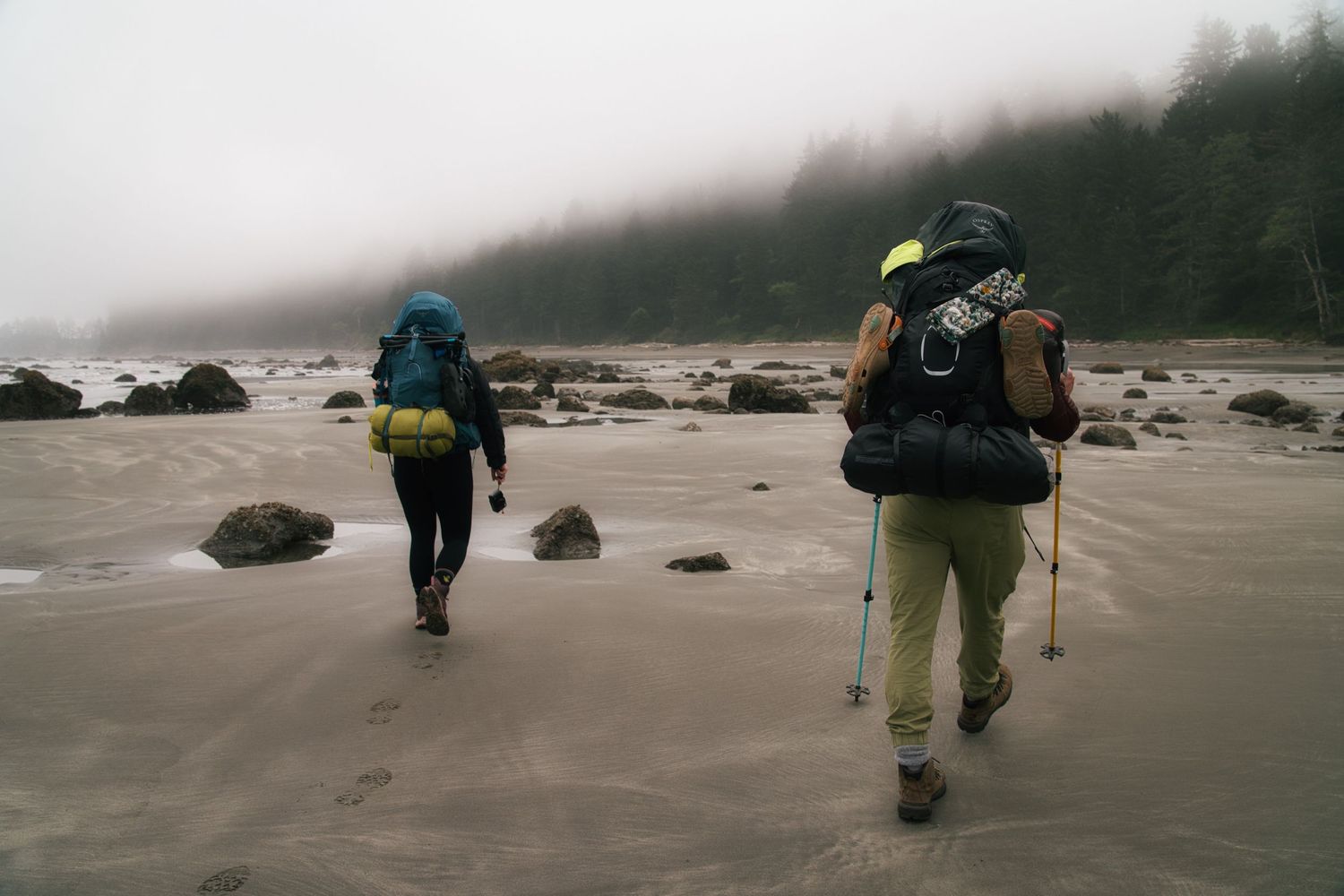
The next day revolved entirely around the tides. With low tide opening up the coastline, we packed up camp and continued hiking along the beach toward our next campsite. Instead of following forest trails, we spent most of the day weaving between tide pools, rocky headlands, and stretches of packed sand exposed only for a few hours each day. Every corner of the coastline revealed something different — bright sea stars clinging to rocks, anemones tucked into pools of crystal-clear water, and endless textures shaped by the ocean.
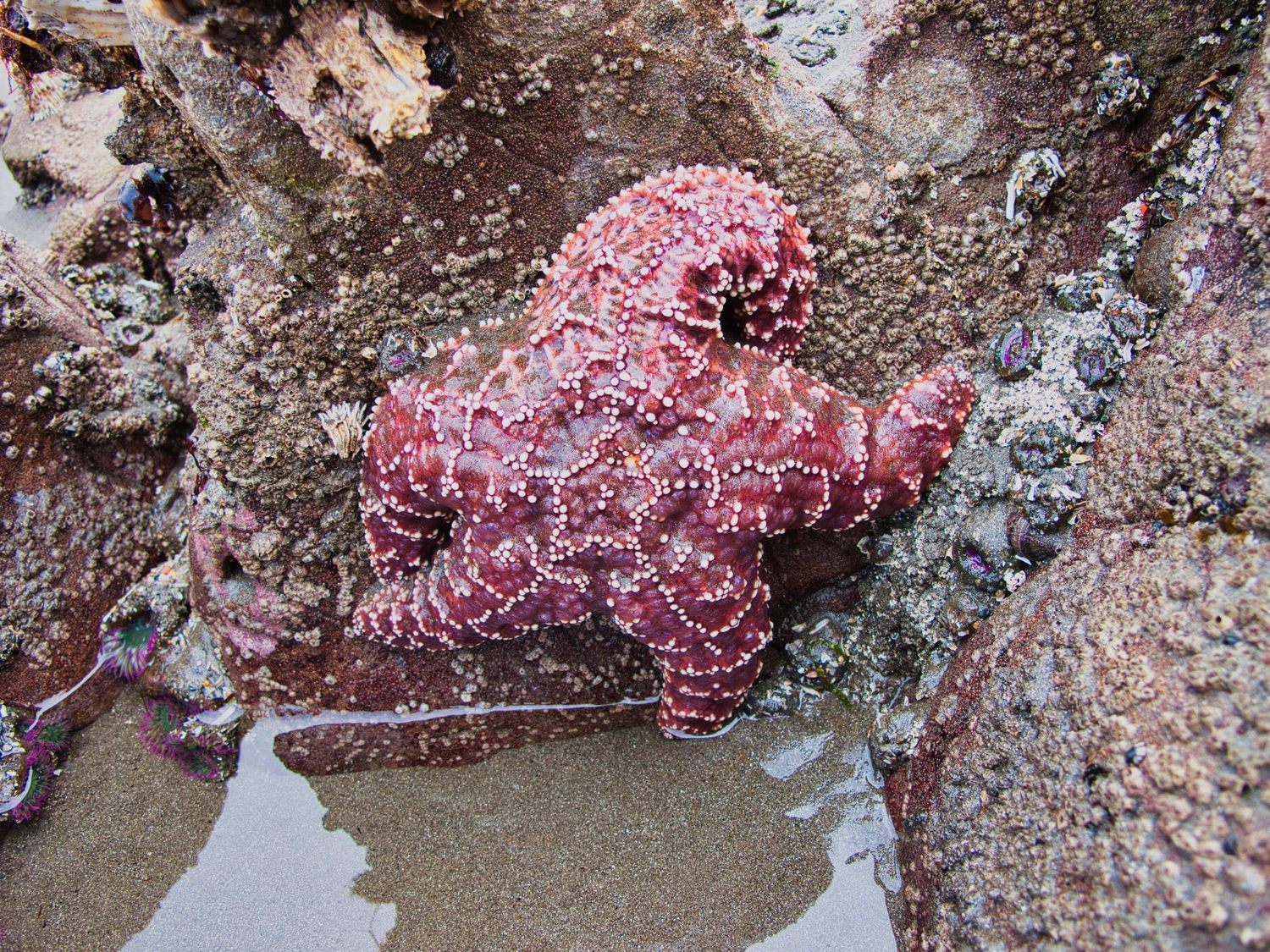
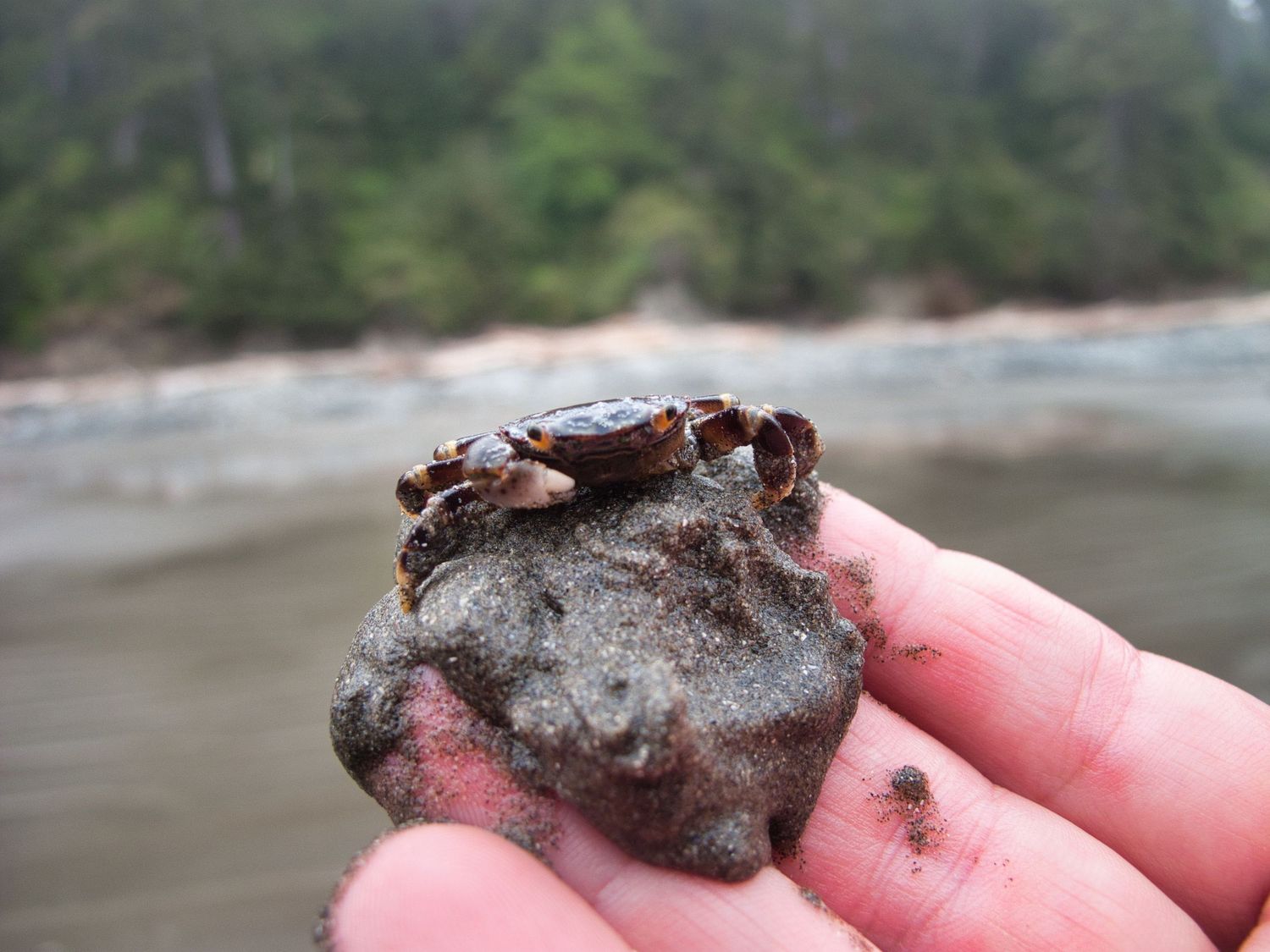
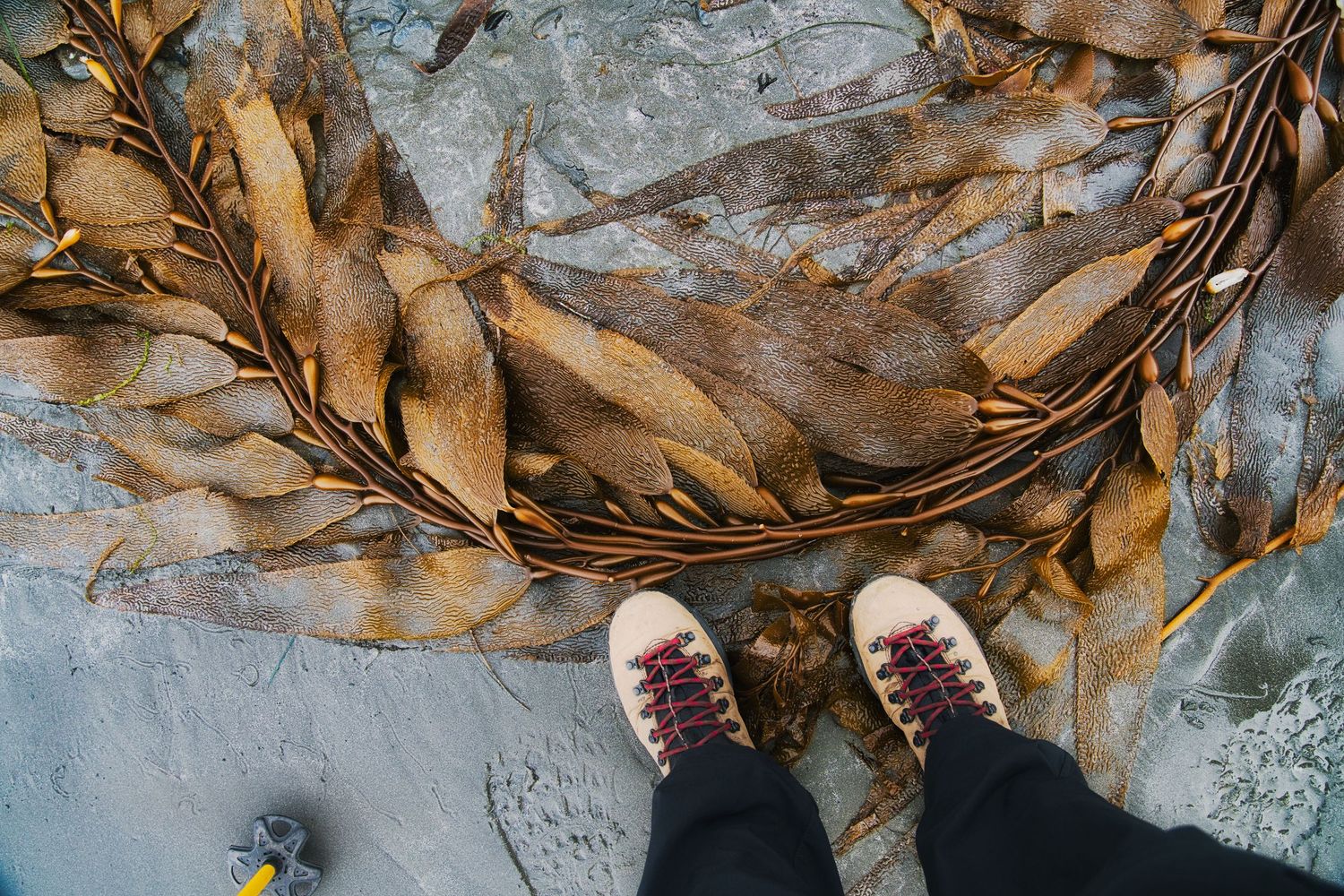
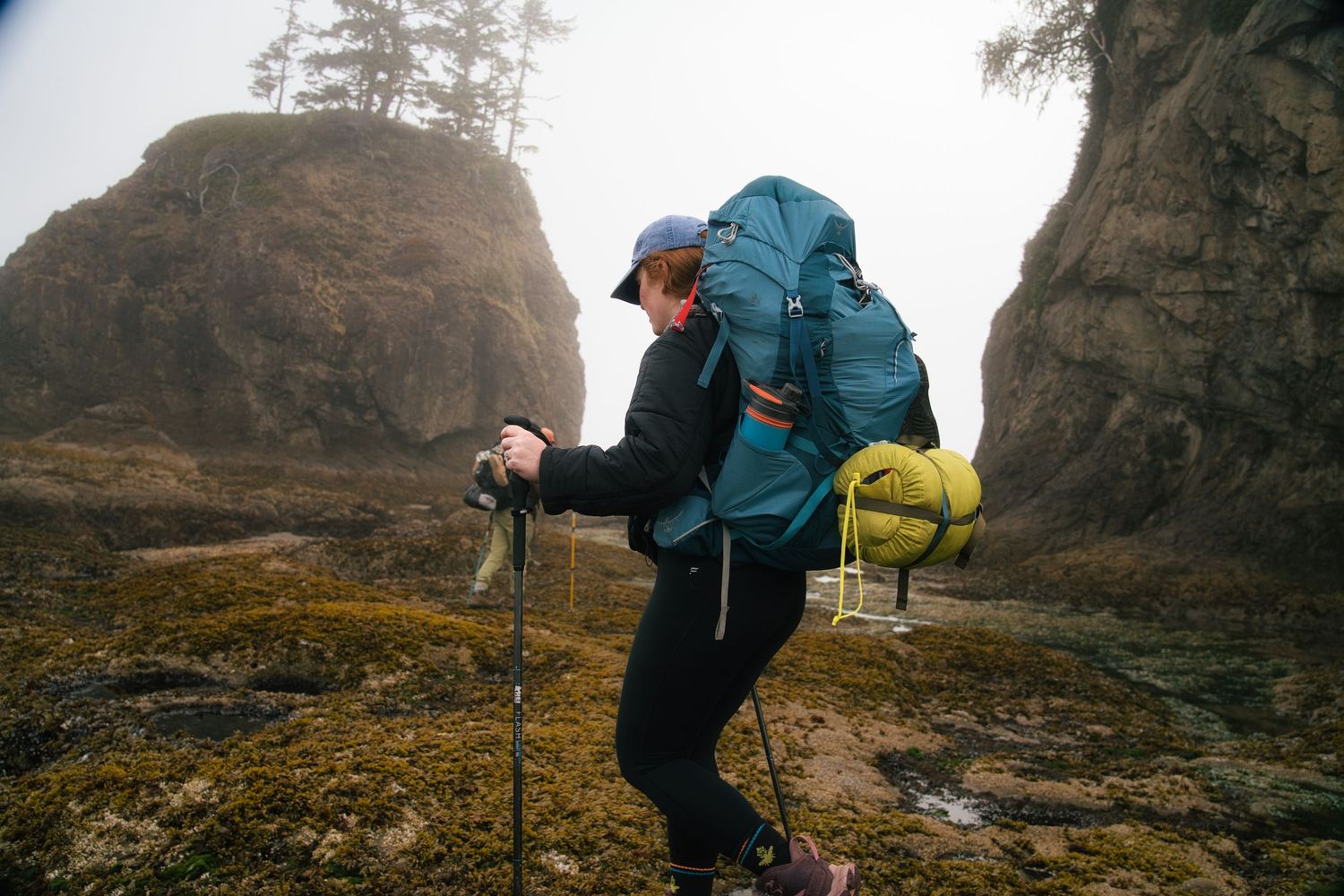
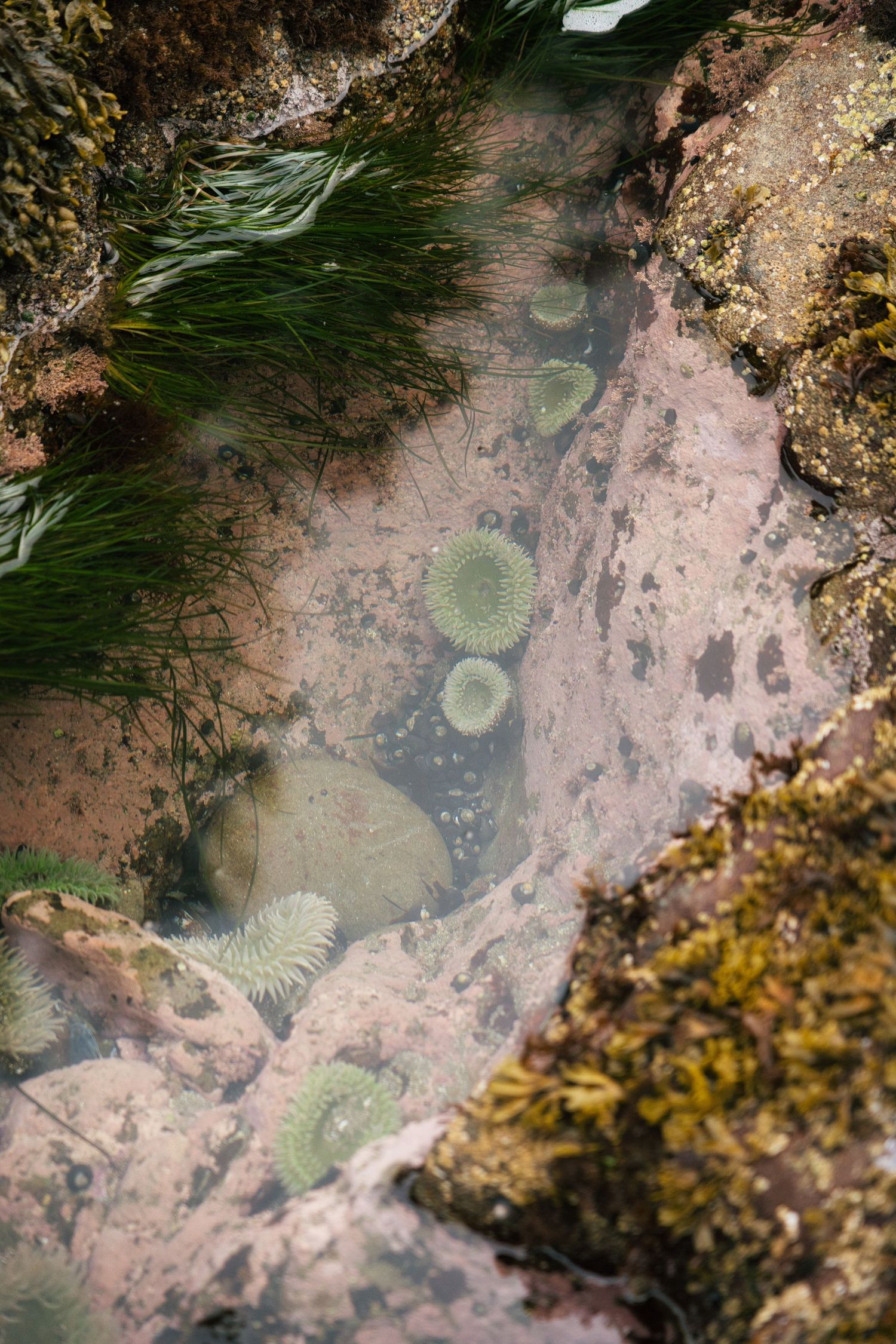
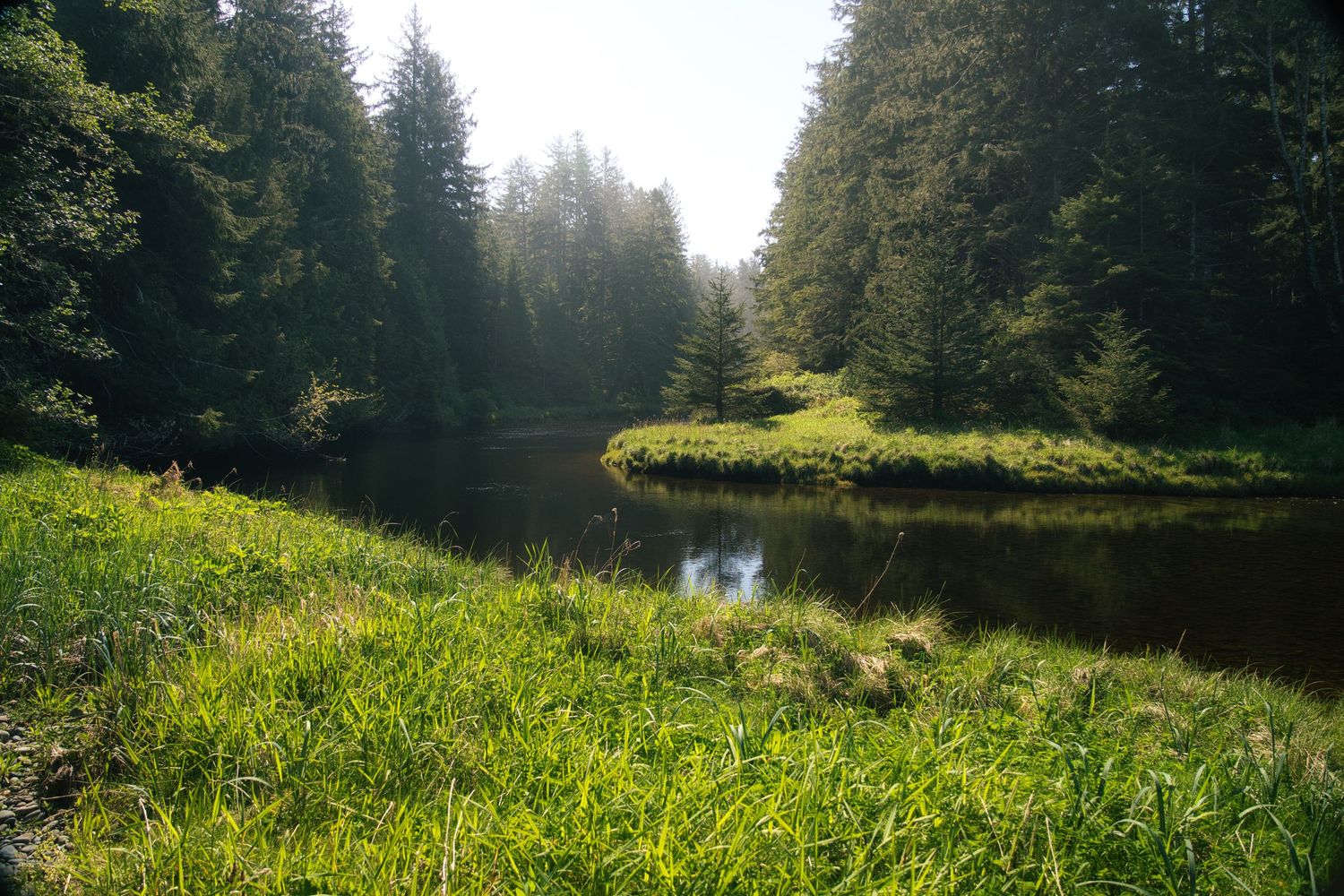
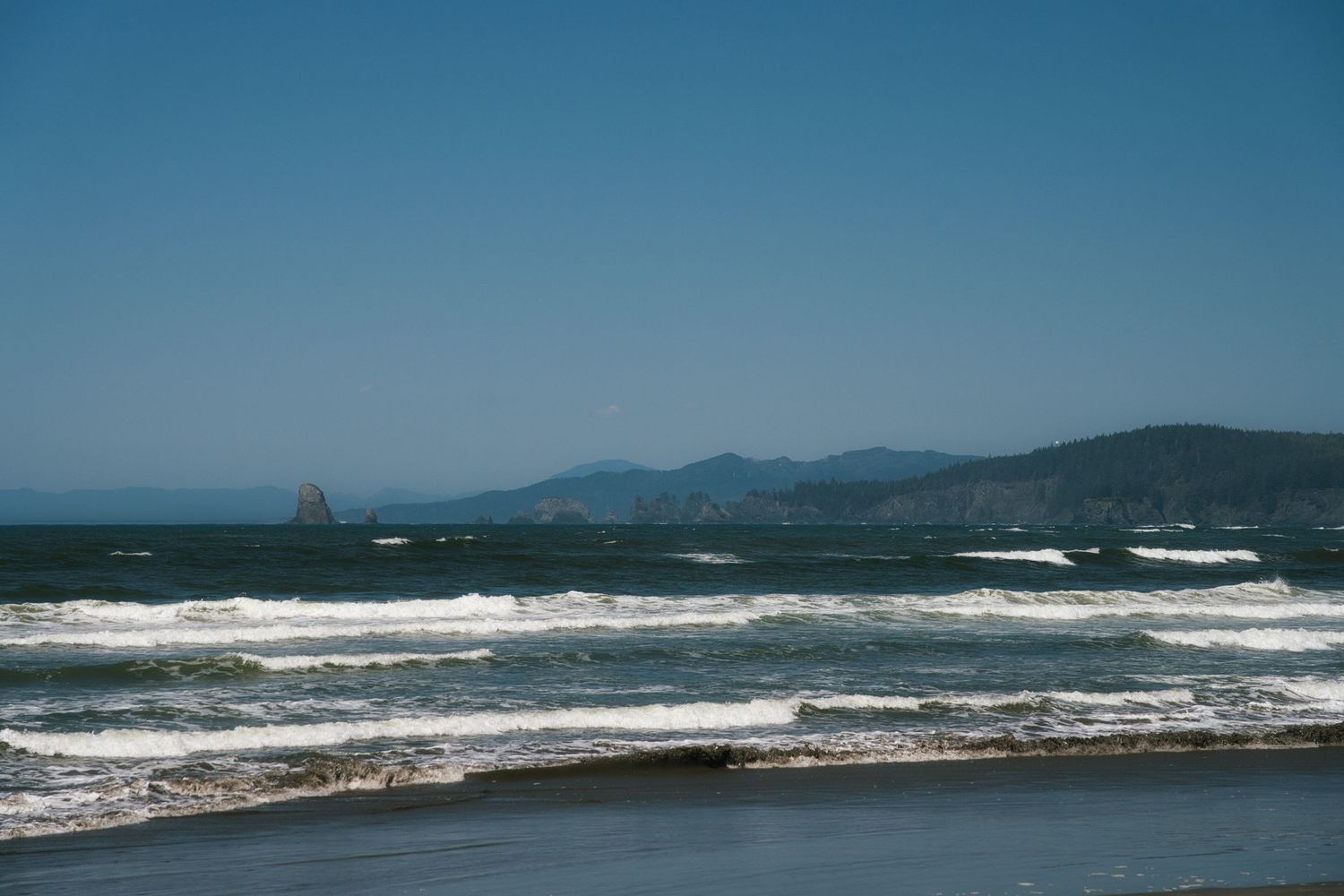
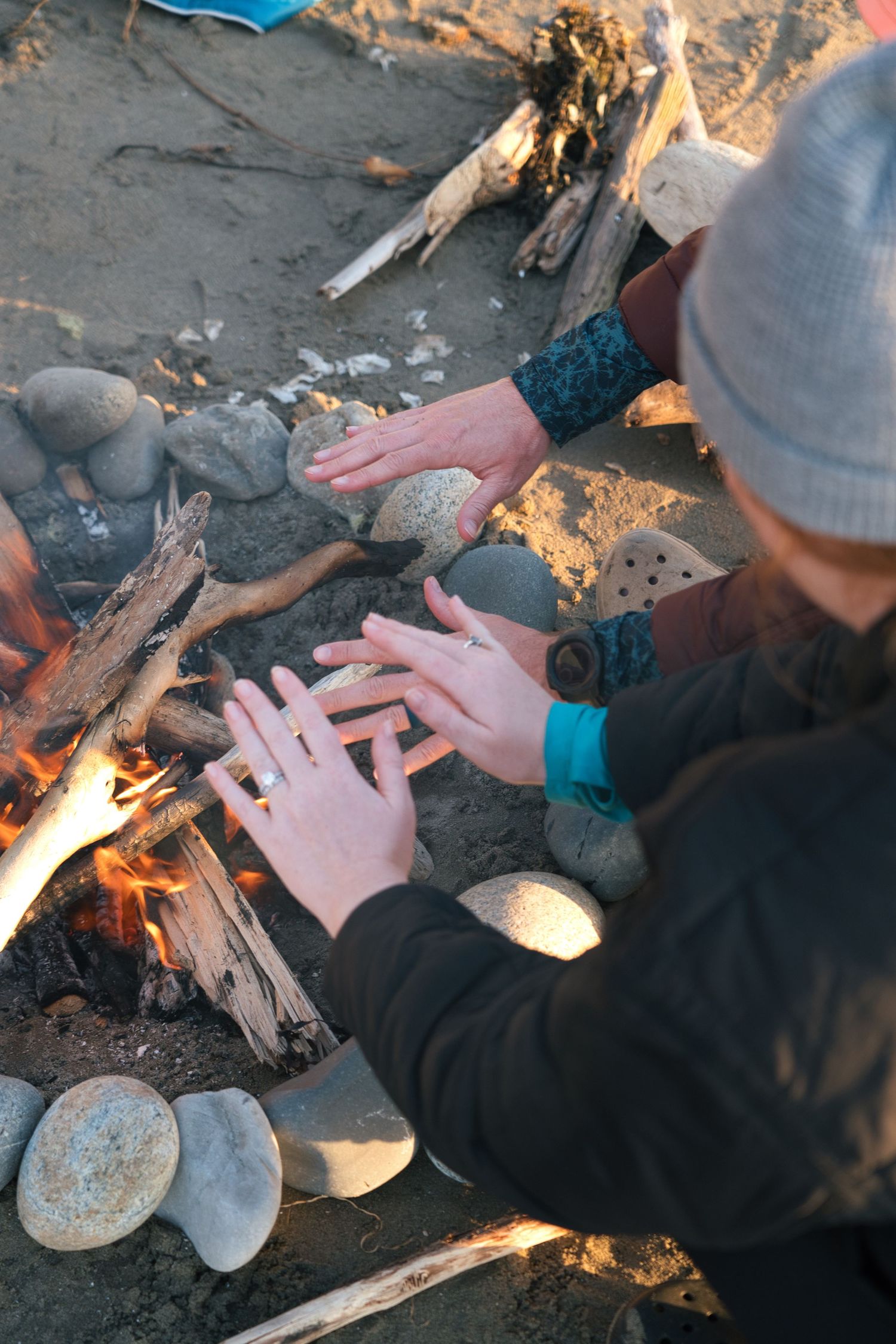
Fresh water flowed behind camp while the Pacific stretched endlessly in front of us. We spent the evening exploring more tide pools, watching the waves roll in, and taking in how remote the Washington coast truly feels.
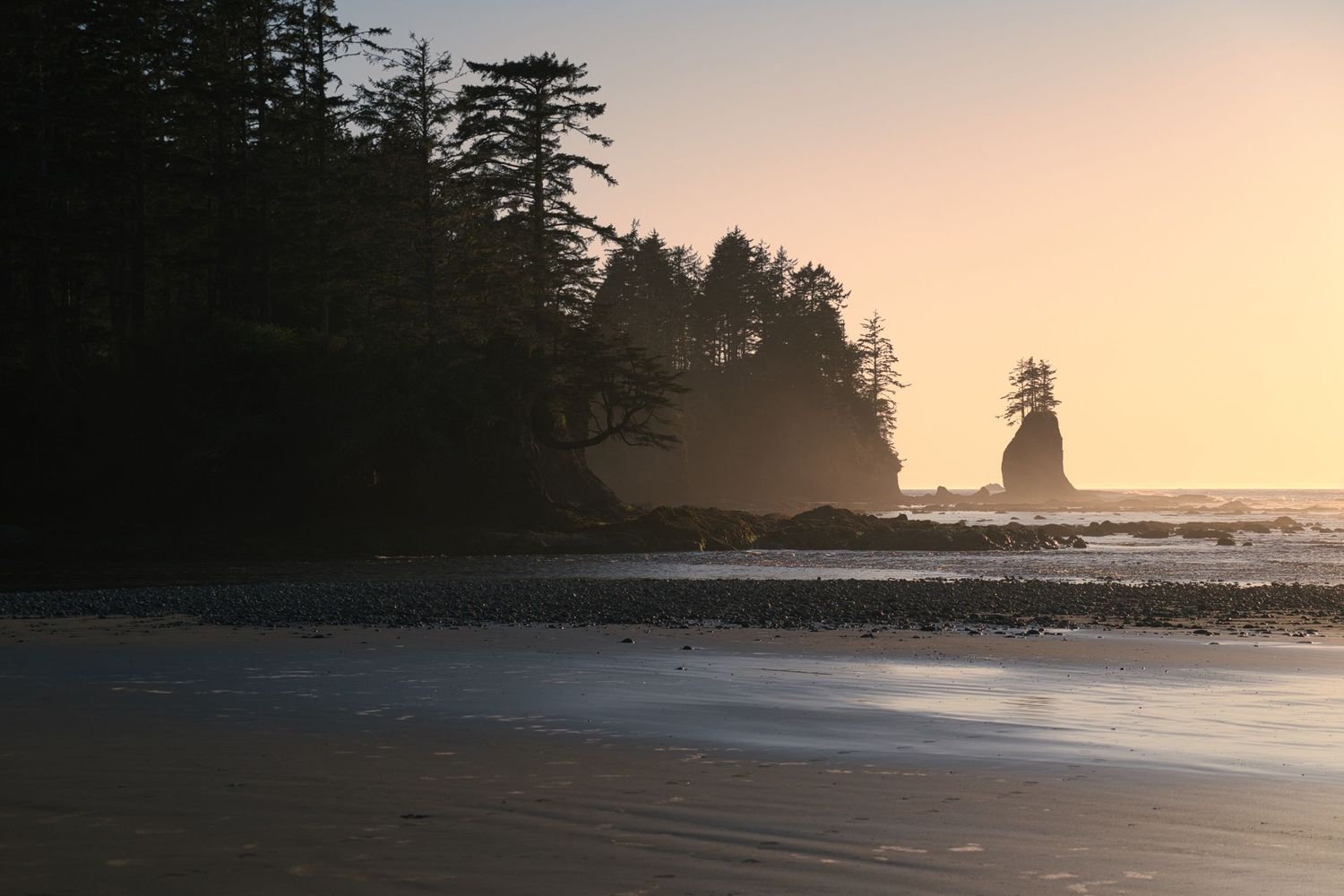
Cape Alava is one of those places that reminds you how wild Olympic National Park still is. Between the dense coastal forests, shifting tides, and rugged beaches, every part of the trip felt immersive and untamed — the kind of experience that stays with you long after leaving the trail.